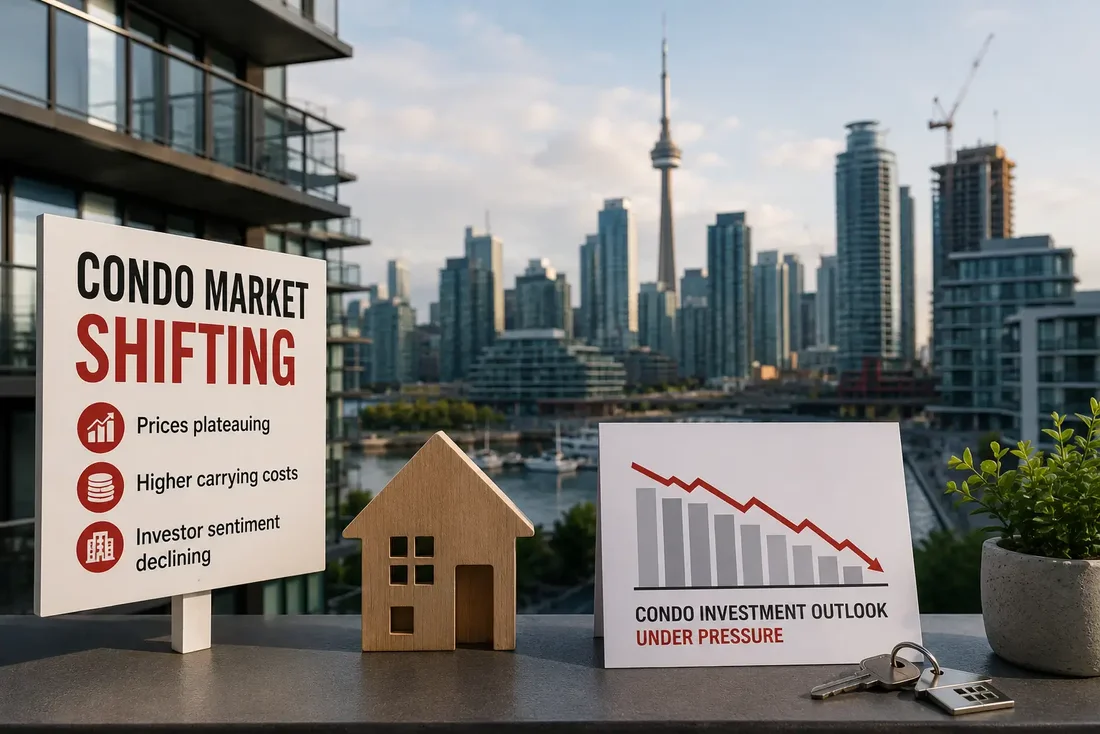
Rising interest rates, higher maintenance costs, slower rent growth, and oversupply in major cities like Toronto and Vancouver have caused many investors to rethink their strategies. According to a recent Rates.ca survey featured by Global News, about 30% of Canadians now believe condos have lost their investment appeal, while only 11% would still buy a condo as an investment property. (globalnews.ca)
At the same time, condos continue to play a critical role in Canada’s housing market. Younger buyers, newcomers, and first-time homeowners still depend on condominiums because detached homes remain financially out of reach in many urban areas. So, are condos still a smart investment in 2026? The answer is more nuanced than a simple yes or no. While the market has become more challenging, condos can still offer long-term value when buyers understand the risks, choose the right location, and focus on sustainable ownership rather than quick profits.
Why Condos Became Popular Investments in Canada
To understand today’s condo market, it is important to look at why condominiums became so attractive in the first place. Over the past two decades, real estate prices across Canada surged significantly, especially in major urban centres such as Toronto and Vancouver. Detached homes became increasingly expensive, pushing many buyers toward condos as a more affordable alternative. For investors, condos offered several advantages:- Lower purchase prices compared to detached homes
- Strong population growth in major cities
- High rental demand from students, immigrants, and young professionals
- Relatively low maintenance responsibilities compared to houses
- Opportunities for appreciation in rapidly growing urban markets
Buyers would often purchase units years before completion, expecting the property value to rise before the building was even finished. However, markets eventually shift. The same factors that helped condos rise quickly are now creating pressure on investors and homeowners.
Why Investor Confidence Has Softened
One of the biggest reasons confidence has declined is affordability. Interest rates increased rapidly over the last few years as the Bank of Canada attempted to control inflation. Higher borrowing costs significantly changed the economics of condo ownership.Monthly mortgage payments increased sharply for many buyers. Investors who once relied on rental income to cover their expenses suddenly found themselves facing negative cash flow.
According to the Rates.ca survey discussed by Global News, investor confidence has softened considerably, with some investors moving their money into other assets such as stocks or lower-cost housing markets in Alberta. (globalnews.ca)This shift reflects a broader change in the Canadian real estate market. During the housing boom, many buyers entered the market expecting rapid appreciation. Today, buyers are becoming more cautious and focused on long-term fundamentals instead of speculative gains.
That change in mindset matters. Real estate markets tend to perform best when driven by stable demand from people who actually want to live in the property, not only by speculative investors chasing short-term profits.
Rising Condo Inventory Is Changing the Market
Another major issue affecting condo investments is rising inventory. In several Canadian cities, especially Toronto and parts of Metro Vancouver, the number of condo listings has increased substantially. More supply creates more competition among sellers and landlords. When inventory rises faster than demand, prices often soften. This is already happening in parts of the condo market.Some investors who purchased pre-construction units at peak pricing are now facing difficult situations when trying to close or resell their properties. Others are struggling to achieve rental rates high enough to offset ownership costs.
According to market reports, average condo resale prices in some areas have declined compared to previous highs. Rates.ca noted that elevated inventory levels are putting downward pressure on prices, creating opportunities for buyers but challenges for sellers. (rates.ca)
Sources referenced for market context include reporting from Global News and housing market analysis from Rates.ca.
This oversupply is particularly noticeable in markets dominated by small investor-focused units. In many downtown areas, developers concentrated heavily on compact one-bedroom and studio units because investors preferred lower purchase prices. However, buyer preferences have changed.
Today’s end-users often prioritise:
- Larger floor plans
- Functional layouts
- Home office space
- Family-friendly amenities
- Better long-term livability
The Rental Market Is No Longer as Easy for Investors
For many years, rising rents helped condo investors justify high purchase prices.But rental market conditions are shifting.
Recent reports from Rentals.ca showed that average asking rents declined nationally in some periods, making it harder for landlords to maintain profitability. (globalnews.ca)
At the same time, ownership expenses continue to rise.
Condo investors now face:
- Higher mortgage payments
- Rising condo maintenance fees
- Increased property taxes
- Insurance cost increases
- Repair and special assessment risks
Some landlords are discovering that rental income no longer covers their expenses, especially if they purchased properties at elevated prices during the market peak.
This is one reason why some investors are exiting the condo market entirely.
However, it is important to avoid assuming that all condo investments are failing. Real estate performance depends heavily on:
- Location
- Purchase price
- Financing structure
- Holding period
- Building quality
- Local rental demand
Why Younger Canadians Still Want Condos
Despite growing scepticism among investors, condos remain extremely important for first-time buyers. The affordability gap between detached homes and condominiums remains enormous in many Canadian cities. For younger Canadians, condos often represent the only realistic entry point into homeownership.The Rates.ca survey found that 45% of non-homeowners are still considering condos, particularly younger buyers and households earning over $100,000 annually. (globalnews.ca)
This trend highlights an important reality:
Condos may no longer deliver the rapid gains seen during previous market booms, but they still provide housing accessibility.
In expensive urban centres, condos continue to offer:
- Lower down payment requirements
- More manageable purchase prices
- Urban lifestyle benefits
- Access to transit and employment centres
- Opportunities to build home equity
The Difference Between Investing and Speculating
One of the biggest lessons from the current condo slowdown is the difference between investing and speculating.During periods of rapid price growth, many buyers entered the market assuming prices would continue climbing indefinitely.
That assumption created speculative behaviour.
Some buyers purchased properties primarily because they expected future appreciation, not because the property generated strong cash flow or met long-term housing needs.
True investing is different.
A strong real estate investment should ideally be supported by:
- Sustainable rental demand
- Positive or manageable cash flow
- Desirable location fundamentals
- Long-term economic growth
- Realistic financing assumptions
The condo market correction is reminding Canadians that real estate, like any investment, carries risk.
Why Location Still Matters Most
Not all condo markets are experiencing the same conditions. Some regions remain relatively resilient because of strong population growth, employment opportunities, and limited housing supply. Other markets face larger challenges due to oversupply and weaker investor demand. Location remains one of the most important factors in condo investing. Properties near:- Public transit
- Universities
- Employment centres
- Hospitals
- Shopping districts
- Lifestyle amenities
- Reserve fund studies
- Building financial statements
- Past maintenance history
- Litigation risks
- Future repair obligations
Interest Rates Continue to Influence the Market
Interest rates remain one of the most important drivers of the Canadian housing market. When rates rise, affordability declines.Higher rates increase:- Monthly mortgage costs
- Qualification stress tests
- Carrying expenses for investors
- Financial risk for highly leveraged owners
This environment encourages more cautious buyer behaviour. Many potential buyers are waiting for:
- Lower rates
- Improved affordability
- Greater price stability
- Stronger economic confidence
Are Condos Still a Good Long-Term Investment?
The long-term answer depends on the buyer’s goals. For investors expecting quick profits similar to the pandemic-era housing boom, the condo market may feel disappointing. But long-term real estate ownership has historically rewarded patience. Canada continues to experience:- Population growth
- Urbanization
- Immigration-driven housing demand
- Limited land supply in major cities
- Purchase quality properties
- Hold long-term
- Maintain financial flexibility
- Choose strong locations
- Budget conservatively
The Shift Toward Smarter Condo Buying
Today’s condo buyers are becoming more selective. Instead of chasing rapid appreciation, many are focusing on practical ownership factors. Modern buyers increasingly prioritise:- Functional layouts
- Livable square footage
- Energy efficiency
- Strong building management
- Walkability
- Future resale potential
The Role of Government Policies
Government policy also continues to influence the condo market. Canada has introduced various measures aimed at improving housing affordability and moderating speculative activity. Policies affecting the market include:- Mortgage stress tests
- Foreign buyer restrictions
- Short-term rental regulations
- Vacancy taxes
- Changes to financing rules
What Buyers Should Consider Before Purchasing a Condo
Anyone considering buying a condo in 2026 should evaluate several important factors carefully.1. Understand the Full Cost of Ownership
Many buyers focus only on the mortgage payment.But condo ownership also includes:- Maintenance fees
- Property taxes
- Insurance
- Utilities
- Potential special assessments
- Closing costs
2. Research the Building Thoroughly
Not all condo buildings are equal. Buyers should review:- Reserve fund health
- Financial stability
- Building reputation
- Developer quality
- Maintenance history
3. Buy for Long-Term Value
Short-term market timing is extremely difficult. Buyers who plan to own for several years are generally better positioned to weather temporary market fluctuations.4. Focus on Livability
Units with better layouts and practical living spaces often hold value more effectively. Functional properties appeal to both end-users and future renters.5. Maintain Financial Flexibility
Interest rates and market conditions can change unexpectedly. Buyers should avoid stretching their finances too aggressively.What the Future of Canada’s Condo Market Could Look Like
The Canadian condo market is unlikely to disappear or collapse entirely. Instead, the market is entering a more balanced and realistic phase. The era of easy profits and ultra-cheap borrowing has ended. Future success in condo investing will likely depend more on:- Careful research
- Conservative financing
- Long-term ownership
- Quality property selection
- Market fundamentals
Frequently Asked Questions About Condo Investing in Canada
1. Are condos still a good investment in Canada in 2026?
Condos can still be a good long-term investment in Canada, but buyers need to be more selective than in previous years. Rising interest rates, higher ownership costs, and increased inventory have made quick profits less common. However, well-located condos with strong rental demand and functional layouts may still perform well over time.2. Why are some investors moving away from condos?
Some investors are leaving the condo market because carrying costs have increased significantly. Higher mortgage rates, condo fees, insurance costs, and softer rental markets have reduced profitability for some owners. In certain cities, oversupply has also created downward pressure on condo prices.3. Is it better to buy a condo or a detached home?
The answer depends on your financial situation, lifestyle, and long-term goals. Condos are generally more affordable and easier to maintain, especially in expensive urban areas. Detached homes may offer more space and land value appreciation, but they also come with much higher purchase prices and maintenance responsibilities.4. What should buyers look for when purchasing a condo?
Buyers should carefully evaluate:- Building financial health
- Reserve fund strength
- Monthly maintenance fees
- Location and transit access
- Unit layout and livability
- Developer reputation
- Long-term resale potential
5. Will condo prices recover in the future?
While short-term market conditions may remain uncertain, long-term housing demand in Canada is still supported by immigration, urbanisation, and population growth. Market recovery will likely vary by region, but quality condos in desirable locations may continue to hold long-term value.Work With Adam Chahl for Expert Real Estate Guidance
Navigating Canada’s changing condo market requires experience, local market knowledge, and a long-term strategy. Whether you are buying your first condo, exploring investment opportunities, or considering selling your current property, working with a knowledgeable real estate professional can help you make more informed decisions.Adam has extensive experience helping buyers and investors understand changing market conditions, evaluate property opportunities, and build smarter real estate strategies in competitive Canadian markets. If you are considering buying, selling, or investing in real estate, now is the time to speak with a trusted professional who understands today’s market realities.
Final Thoughts
The Canadian condo market is changing. Rising costs, softer rents, increased inventory, and shifting buyer sentiment have made condo investing more challenging than it was during the previous housing boom.Recent surveys show that many Canadians no longer view condos as guaranteed investment winners, particularly in markets facing oversupply and affordability pressures. (globalnews.ca)
Still, condos continue to serve an important role in Canada’s housing system. For younger buyers, first-time homeowners, and long-term investors, condos may still provide meaningful opportunities when approached carefully and realistically.
The key difference in 2026 is that success now requires stronger financial planning, deeper market research, and a long-term mindset. The days of assuming every condo purchase will automatically generate quick profits are likely over. But for buyers who prioritise quality, affordability, and long-term value, condos can still remain a worthwhile part of Canada’s real estate market.
As the market evolves, the smartest buyers will be those who focus less on speculation and more on sustainable ownership. That approach may ultimately create a healthier and more stable future for Canadian real estate overall.
Sources referenced for market context include reporting from Global News and housing market analysis from Rates.ca.